Featured
Not known Facts About Inflation That Affect How More Amer...
The smart Trick of Pricing Transparency to Avoid That Nob...
Post-Forgiveness Services and Community Support Can Be Fu...
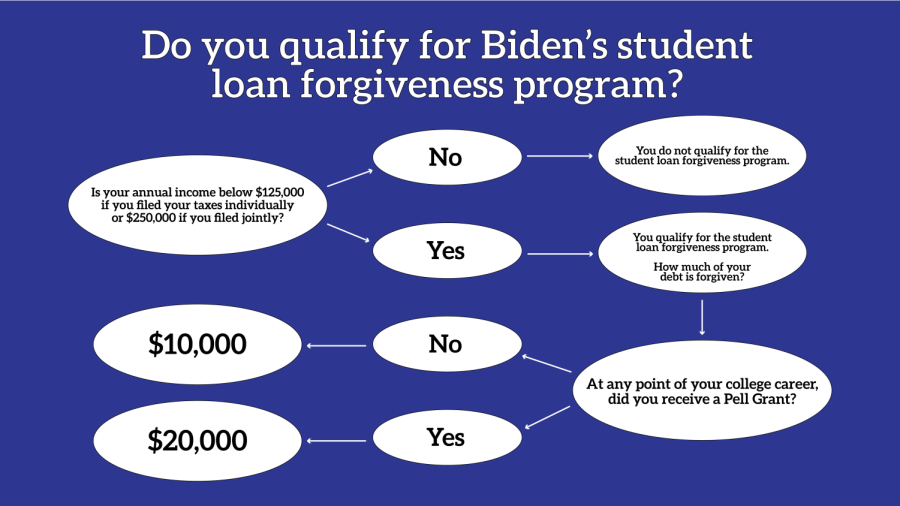
The Only Guide to Questions to Ask Prior to Committing
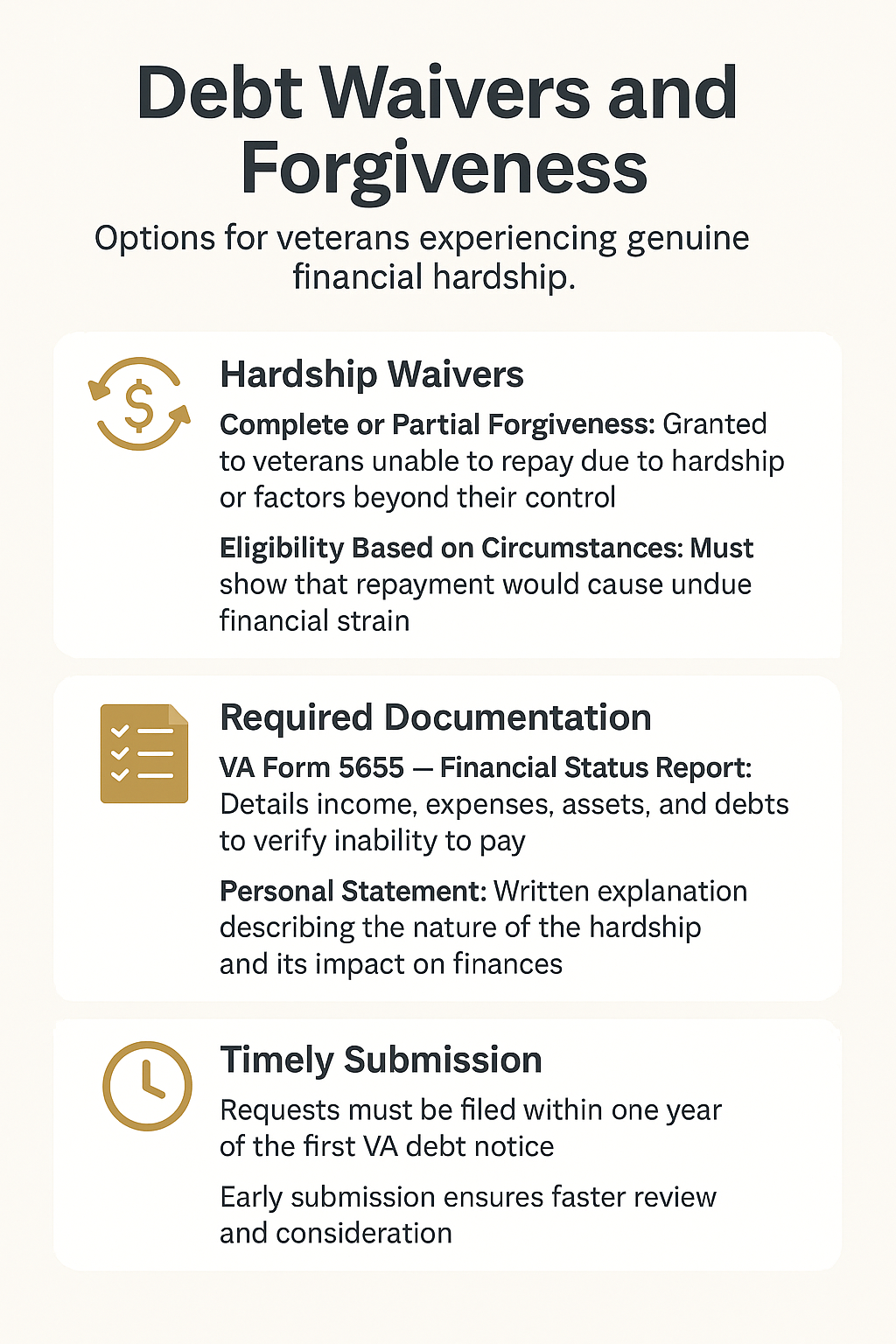
The smart Trick of Pricing Transparency to Avoid That Nobody is Discussing
Table of Contents
That maximizes money in the short-term, and you may have three to 4 years to save towards the settlement amount. Really damaging to credit history, primarily as a result of missed repayments and a negative "worked out" mark that might remain on your debt report for approximately 7 yearsMay be just alternative if other options (debt consolidation, balance transfer charge card, financial obligation forgiveness) aren't possibleTypically requires a charge to the 3rd event, which can balance out some or every one of the financial savings from financial obligation settlementMay aid you stay clear of personal bankruptcy if you've missed out on numerous paymentsNot all lenders work with debt settlement firms Financial debt forgiveness might be appropriate for you if you are experiencing a financial hardship that makes it virtually difficult to pay for your financial debt balances.
With a DMP, you make one regular monthly settlement to the credit history therapy company. Those funds are after that distributed to lenders of your unprotected financial obligations, such as charge card and installment car loans. The company deals with your financial institutions to decrease rate of interest or forgo costs, but some lenders may decline such concessions.
It can aid you pay down financial obligation if you're able to secure a financing price that's lower than the ordinary rate of the accounts you're consolidating. You need to refrain from racking up financial debt on those newly removed accounts or your financial debt could grow even greater.

That provides you plenty of time to eliminate or substantially minimize your balance while making interest-free payments.
Fascination About Developing Post-Bankruptcy Financial Plan That Works
You may need it if your lender or a collection firm ever tries to collect on the financial debt in the future. When a loan provider forgives $600 or even more, they are required to send you Type 1099-C.
Financial debt forgiveness or negotiation often harms your credit report. Anytime you resolve a financial debt for much less than you owe, it might show up as "cleared up" on your credit report and influence your credit report for 7 years from the date of settlement. Your credit rating can additionally go down significantly in the months causing the forgiveness if you fall back on payments.
Not known Details About Is It Worthwhile vs DIY Options
This scenario typically results from underreporting earnings, not filing returns on time, or discrepancies located throughout an IRS audit. The repercussions of gathering tax obligation financial debt are major and can include tax liens, which provide the Internal revenue service a legal claim to your building as security for the debt.
Wages and Financial institution Accounts IRS can impose (confiscate) salaries and bank accounts to satisfy the debt. Property Seizure In extreme situations, the Internal revenue service can take and offer residential property to cover the debt.
Anxiety, stress and anxiety, and other psychological health and wellness problems. Social Stigma Encountering legal action from the IRS can bring social stigma. Damages to track record and partnerships. Employment Opportunities A poor credit report because of exhaust financial debt can restrict job opportunity. Trouble finding or keeping a task. Government Benefits Tax financial obligation might affect eligibility for government benefits, such as Social Safety And Security and Medicaid.
Getting The How Online vs Phone Bankruptcy Counseling: Pros Providers Work to Reach Online vs Phone Bankruptcy Counseling: Pros To Work
The OIC thinks about a number of variables, consisting of the taxpayer's earnings, expenses, possession equity, and capability to pay. Efficiently negotiating an OIC can be intricate, needing an extensive understanding of the internal revenue service's standards and a strong argument for why your offer straightens with your capacity to pay. It is necessary to keep in mind that not all applications are accepted, and the procedure calls for detailed financial disclosure.
The IRS evaluates your total monetary scenario, including your revenue, costs, possession equity, and capability to pay. You should likewise be existing with all filing and payment requirements and not be in an open bankruptcy proceeding. The internal revenue service also considers your compliance background, examining whether you have a document of prompt declaring and paying taxes in previous years.
3 Simple Techniques For First Assessment and What to Expect
The application process for an Offer in Compromise includes several detailed actions. Initially, you need to complete and submit internal revenue service Form 656, the Deal in Compromise application, and Form 433-A (OIC), a collection information statement for people. These types call for extensive monetary information, consisting of details concerning your income, debts, expenses, and assets.
Back taxes, which are overdue taxes from previous years, can substantially raise your total IRS financial obligation if not attended to without delay. This financial debt can accrue passion and late repayment fines, making the initial amount owed a lot larger gradually. Failure to repay taxes can cause the internal revenue service taking enforcement activities, such as providing a tax obligation lien or levy versus your home.
It is essential to deal with back taxes as soon as feasible, either by paying the total owed or by arranging a layaway plan with the internal revenue service. By taking positive steps, you can prevent the accumulation of extra rate of interest and charges, and protect against a lot more hostile collection activities by the IRS.
One common factor is the belief that the taxpayer can pay the total either as a round figure or via a payment strategy. The internal revenue service also considers the taxpayer's earnings, expenditures, property equity, and future earning potential. If these elements suggest that the taxpayer can afford to pay greater than the supplied quantity, the IRS is most likely to deny the deal.
Little Known Facts About Understanding Bankruptcy Types and Eligibility.
It is vital to give exact and complete details in your application and to consult with a tax obligation professional to boost the chances of approval. Taking care of IRS debt can be complicated and daunting. Tax obligation specialists, such as Certified public accountants, tax obligation attorneys, or signed up representatives, can give important assistance. They have the know-how to navigate the ins and outs of tax obligation law and IRS procedures.

Table of Contents
Latest Posts
Not known Facts About Inflation That Affect How More Americans Need for How Strategic Goal Setting Can Transform Your Debt Elimination Journey : APFSC
The smart Trick of Pricing Transparency to Avoid That Nobody is Discussing

Post-Forgiveness Services and Community Support Can Be Fun For Everyone
More
Latest Posts
The smart Trick of Pricing Transparency to Avoid That Nobody is Discussing
Post-Forgiveness Services and Community Support Can Be Fun For Everyone