Featured
Not known Facts About Inflation That Affect How More Amer...
The smart Trick of Pricing Transparency to Avoid That Nob...
Post-Forgiveness Services and Community Support Can Be Fu...
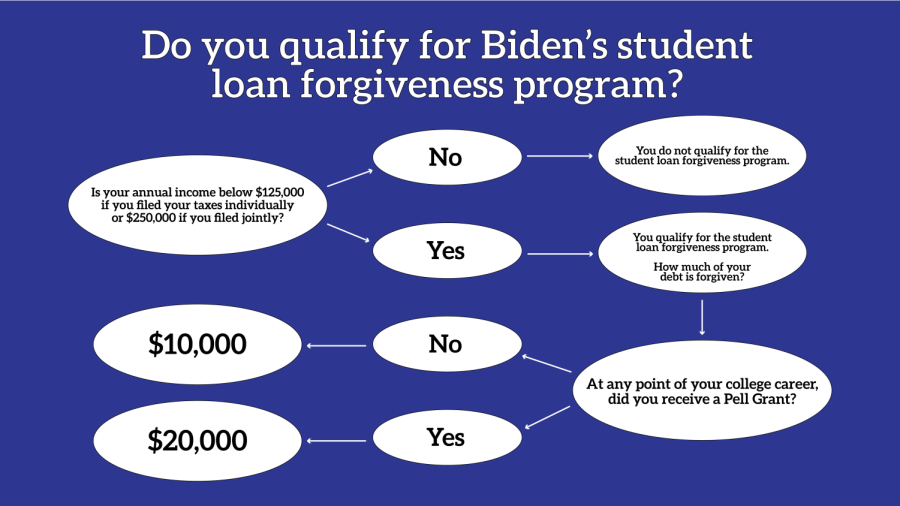
The Only Guide to Questions to Ask Prior to Committing
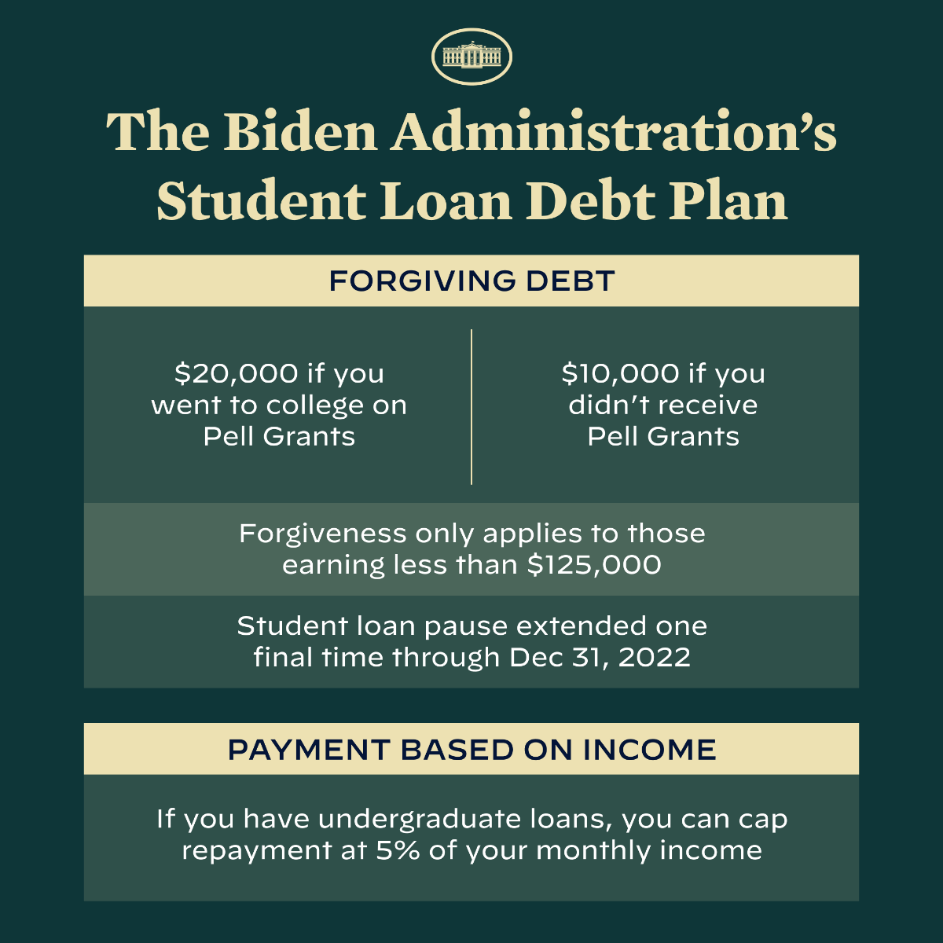
Rumored Buzz on Restoring Personal Credit Rating Post Debt Forgiveness
Table of Contents
That frees up money in the short term, and you might have 3 to four years to save toward the negotiation amount. Extremely dangerous to credit report, largely due to missed repayments and an unfavorable "resolved" mark that can stay on your credit scores report for approximately 7 yearsMay be just choice if various other choices (financial obligation combination, equilibrium transfer charge card, financial debt forgiveness) aren't possibleTypically needs a fee to the third event, which might balance out some or all of the cost savings from debt settlementMay aid you stay clear of insolvency if you have actually missed out on numerous paymentsNot all financial institutions function with financial debt negotiation business Debt mercy may be ideal for you if you are experiencing an economic challenge that makes it virtually impossible to pay for your debt equilibriums.
With a DMP, you make one month-to-month repayment to the credit scores therapy firm. Those funds are after that distributed to creditors of your unsecured financial debts, such as bank card and installment loans. The company functions with your financial institutions to decrease interest prices or waive costs, but some lenders may decline such giving ins.
It can help you pay down financial obligation if you're able to protect a loan price that's lower than the average price of the accounts you're combining. You need to abstain from racking up financial debt on those newly removed accounts or your financial obligation can grow also higher.

That provides you lots of time to eliminate or dramatically lower your balance while making interest-free settlements.
What Does How Much to Pay for Accredited What to Expect from the Post-Bankruptcy Debtor Education Course Help Do?
You may require it if your financial institution or a debt collector ever before tries to gather on the debt in the future. The letter could verify you don't owe what the debt collector's records show. Yes, most of the times, the IRS thinks about forgiven debt as taxable earnings. When a lending institution forgives $600 or even more, they are called for to send you Kind 1099-C.
Financial obligation mercy or settlement generally hurts your credit history. Anytime you work out a debt for less than you owe, it might show up as "worked out" on your credit record and influence your credit report for seven years from the day of negotiation. Your credit scores can likewise drop significantly in the months causing the mercy if you drop behind on repayments.
Frequent Misunderstandings Regarding Bankruptcy - Questions
Tax obligation financial obligation compromise programs Tax financial obligation takes place when the amount of taxes you owe exceeds what you have paid. This situation usually results from underreporting earnings, not filing returns promptly, or disparities discovered during an internal revenue service audit. The effects of gathering tax financial debt are major and can consist of tax obligation liens, which provide the IRS a legal claim to your property as security for the financial obligation.
Incomes and Financial institution Accounts Internal revenue service can levy (take) earnings and bank accounts to please the financial obligation. Residential or commercial property Seizure In severe cases, the Internal revenue service can seize and market property to cover the financial debt.
Anxiety, stress and anxiety, and other psychological wellness concerns. Social Stigma Dealing with lawsuit from the internal revenue service can bring social stigma. Damages to online reputation and partnerships. Work Opportunities An inadequate credit rating due to exhaust financial debt can restrict work opportunities. Problem searching for or keeping a task. Government Advantages Tax debt might affect qualification for government advantages, such as Social Security and Medicaid.
Excitement About Community-Based Debt Forgiveness Options Explained
The OIC thinks about a number of variables, including the taxpayer's revenue, expenditures, possession equity, and capacity to pay. Effectively bargaining an OIC can be complicated, requiring a comprehensive understanding of the internal revenue service's guidelines and a strong argument for why your offer aligns with your ability to pay. It is necessary to note that not all applications are approved, and the procedure calls for thorough financial disclosure.
The IRS analyzes your general economic scenario, including your revenue, expenses, asset equity, and capacity to pay. You need to likewise be present with all declaring and settlement demands and not remain in an open insolvency proceeding. The internal revenue service likewise considers your conformity history, evaluating whether you have a record of prompt declaring and paying taxes in previous years.
Facts About Recovering Personal Financial Standing Following What to Expect from the Post-Bankruptcy Debtor Education Course Uncovered
The application procedure for an Offer in Concession includes numerous comprehensive steps. You have to finish and send IRS Type 656, the Offer in Compromise application, and Kind 433-A (OIC), a collection information declaration for people. These forms need comprehensive monetary details, including details regarding your revenue, debts, expenditures, and possessions.
Back tax obligations, which are unsettled taxes from previous years, can significantly raise your overall internal revenue service financial debt otherwise attended to promptly. This financial debt can accumulate rate of interest and late payment fines, making the initial quantity owed much larger with time. Failing to pay back taxes can lead to the IRS taking enforcement actions, such as providing a tax obligation lien or levy versus your building.
It is very important to deal with back taxes immediately, either by paying the full amount owed or by setting up a layaway plan with the IRS. By taking aggressive actions, you can avoid the build-up of additional interest and fines, and prevent more aggressive collection actions by the internal revenue service.
One common factor is the idea that the taxpayer can pay the sum total either as a lump sum or via a payment strategy. The IRS also thinks about the taxpayer's earnings, expenditures, possession equity, and future earning potential. If these factors indicate that the taxpayer can pay for to pay greater than the used quantity, the IRS is most likely to deny the offer.
Some Known Factual Statements About Exploring Debt Forgiveness in 2024
Dealing with IRS financial debt can be intricate and overwhelming. Tax experts, such as CPAs, tax attorneys, or registered agents, can offer indispensable help.

Table of Contents
Latest Posts
Not known Facts About Inflation That Affect How More Americans Need for How Strategic Goal Setting Can Transform Your Debt Elimination Journey : APFSC
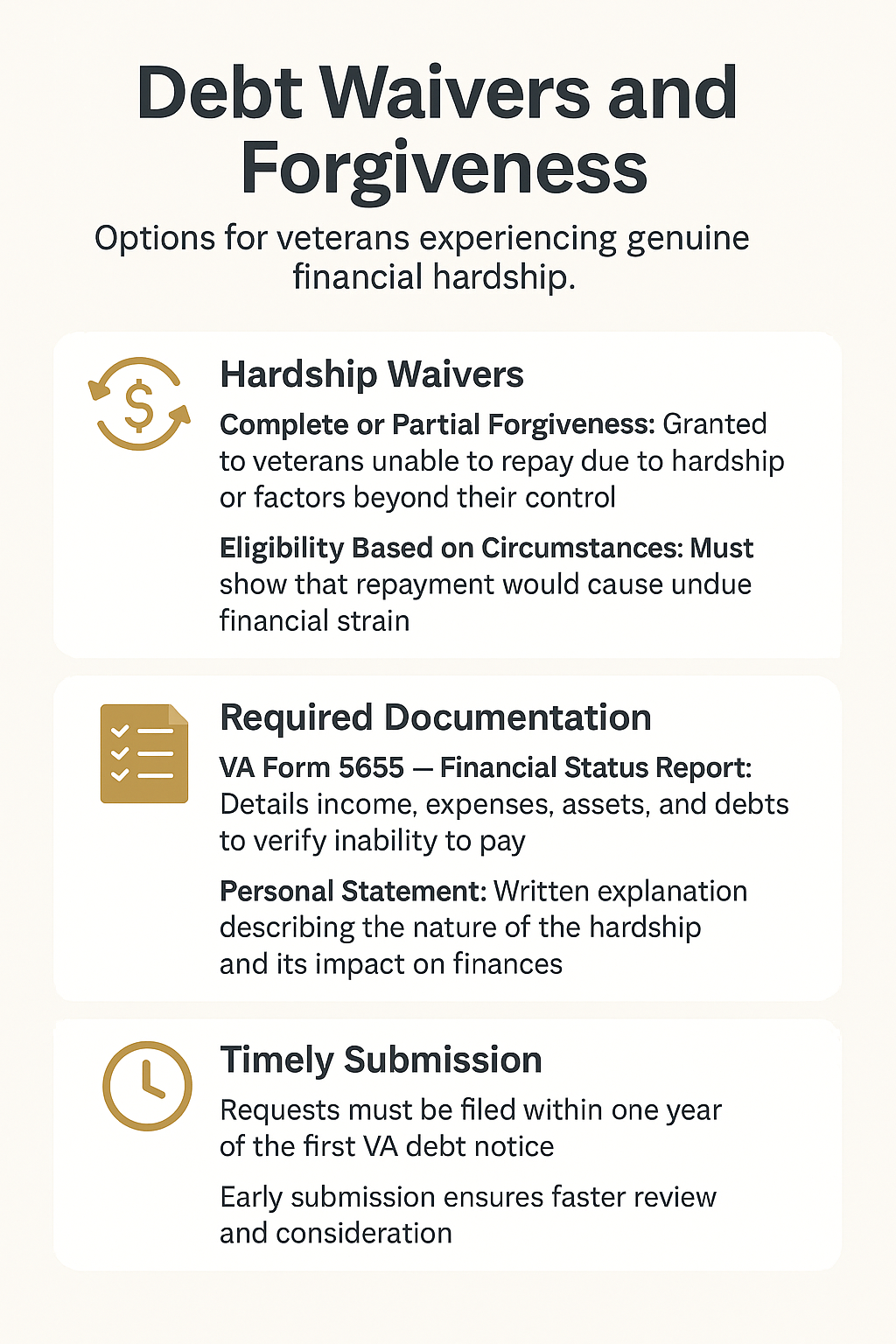
The smart Trick of Pricing Transparency to Avoid That Nobody is Discussing

Post-Forgiveness Services and Community Support Can Be Fun For Everyone
More
Latest Posts
The smart Trick of Pricing Transparency to Avoid That Nobody is Discussing
Post-Forgiveness Services and Community Support Can Be Fun For Everyone